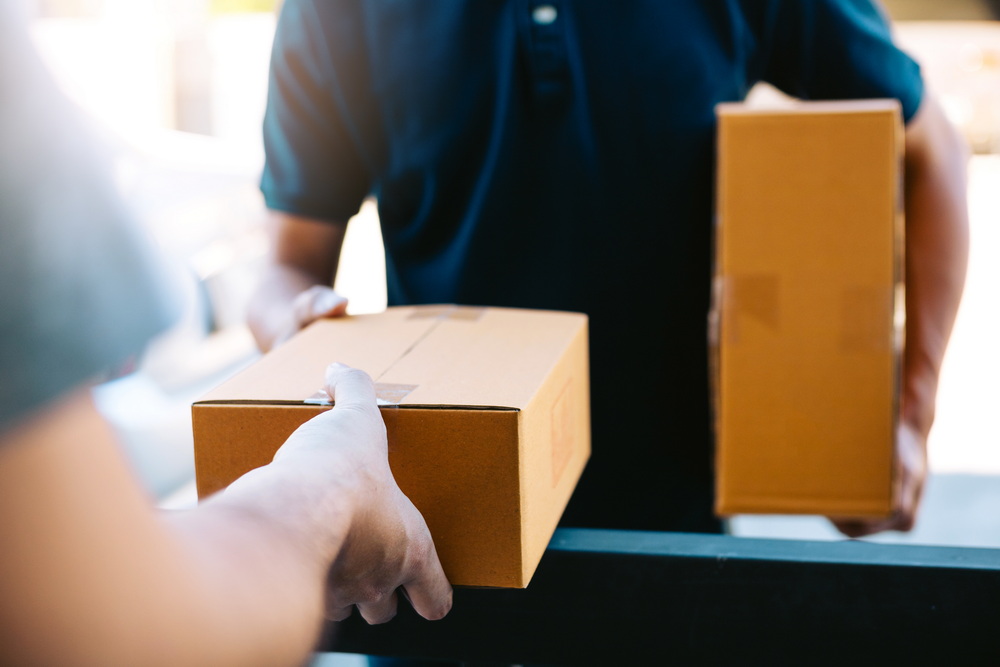
Last mile delivery was a completely different animal prior to the advent of online shopping. It wasn’t something companies had to put a lot of thought into. But now that online shopping is the standard, last mile delivery has become a critical component to retail success. It is especially critical to ecommerce operators who do not maintain any brick-and-mortar stores.
Current standards classify last mile delivery as that last leg of the logistics chain that results in delivery to the customer. Getting a package from our warehouse to the customer’s front door is considered last mile delivery, even though our delivery driver might have to travel ten miles to reach the customer’s location. Needless to say, an ecommerce operator’s last mile delivery plays a huge role in determining future success.
Customers Have High Expectations
Customers anticipated hiccups in online shopping 15 years ago. When shopping online was still new, customers knew the transaction wouldn’t be perfect. Waiting a week for delivery was par for the course; packages getting lost in transit was normal. Things are much different today. The ecommerce industry has raised customer expectations by constantly improving delivery. While that is good, it is now incumbent on ecommerce operators to meet the higher expectations.
Survey data shows that online shoppers will go elsewhere in the future if they have a bad experience with a particular retailer. In short, consumers will not tolerate a poor delivery experience. If last mile delivery isn’t up to par, it can cost a company dearly.
Last Mile Delivery Affects Returns
Ecommerce operators do their best to keep returns at a minimum. Returns are expensive. They cost in terms of shipping, restocking, and administration. So the fewer returns there are, the better for the business. That being said, ecommerce operators should be cognizant of the fact that last mile delivery affects returns.
Your typical ecommerce operator contracts with third party shippers to get orders to customers. Those responsible for last mile delivery are expected to be on time. They are expected to deliver packages unharmed and undamaged. They are expected to avoid doing things like leaving packages out in the pouring rain.
When the last mile delivery service falls down on the job, it leads to problems. Goods are damaged, and orders are received late. These sorts of things encourage customers to return merchandise.
Last Mile Impacts the Logistics Chain
Finally, last mile delivery is critical to ecommerce operators because it impacts the entire logistics chain. Think of it in terms of water flowing out of a bottle. The neck of that bottle has a much smaller diameter than the main body. This is by design. Making the neck smaller allows for more control when you’re pouring. But what happens if you turn the bottle completely upside down rather than pouring at an angle? You create a condition in which the water does not flow from the bottle evenly.
When last mile delivery isn’t up to par, it creates a bottleneck further up the logistic change. Every other leg of the journey is impacted. Rather than being a smooth and seamless operation, the whole chain stutters and sputters. That only makes meeting customer expectations that much harder.
The long and short of it is this: last mile delivery is just as critical to ecommerce as the first leg of the logistics chain. It should not be dismissed as inconsequential because it is the last stage in getting product to customers. If you are an ecommerce operator, we encourage you to not accept anything but the highest quality in your last mile delivery partner.